Research

Animals and Nature

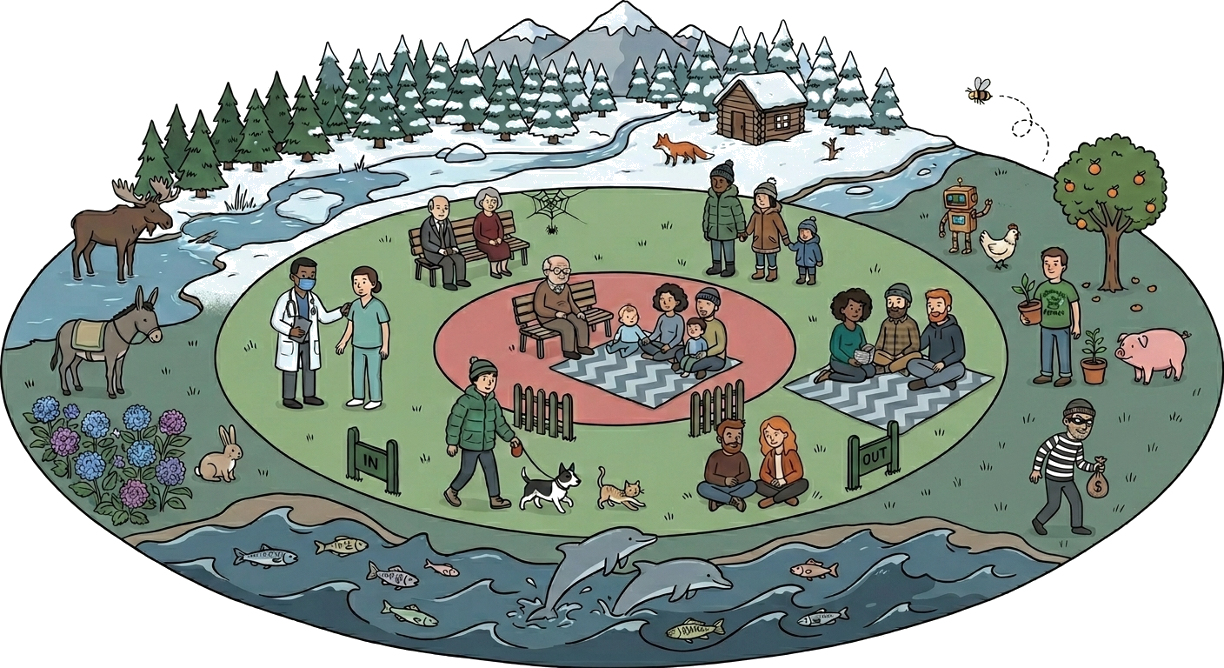
Humans’ relationship with other animals is complex. Certain species (e.g., dogs) are cared for deeply and seen as members of the family, while at the same time, other species that have similar emotional and cognitive capacities face systemic harm (e.g., pigs).

In our group we attempt to understand the ways in which our thinking about non-human animals develops between childhood and adulthood. Current projects include:

(1) CALF (Children’s attitudes towards Animal Lives & Food) - investigating the longitudinal development of children’s attitudes towards non-human animals and the relationship this has with animals’ position in human society as food.

(2) Speciesism Across Cultures - examining the ways in which our thinking about non-human animals varies in childhood across cultures (UK, Germany, Türkiye, China, South Korea)
STEM & HEED Careers

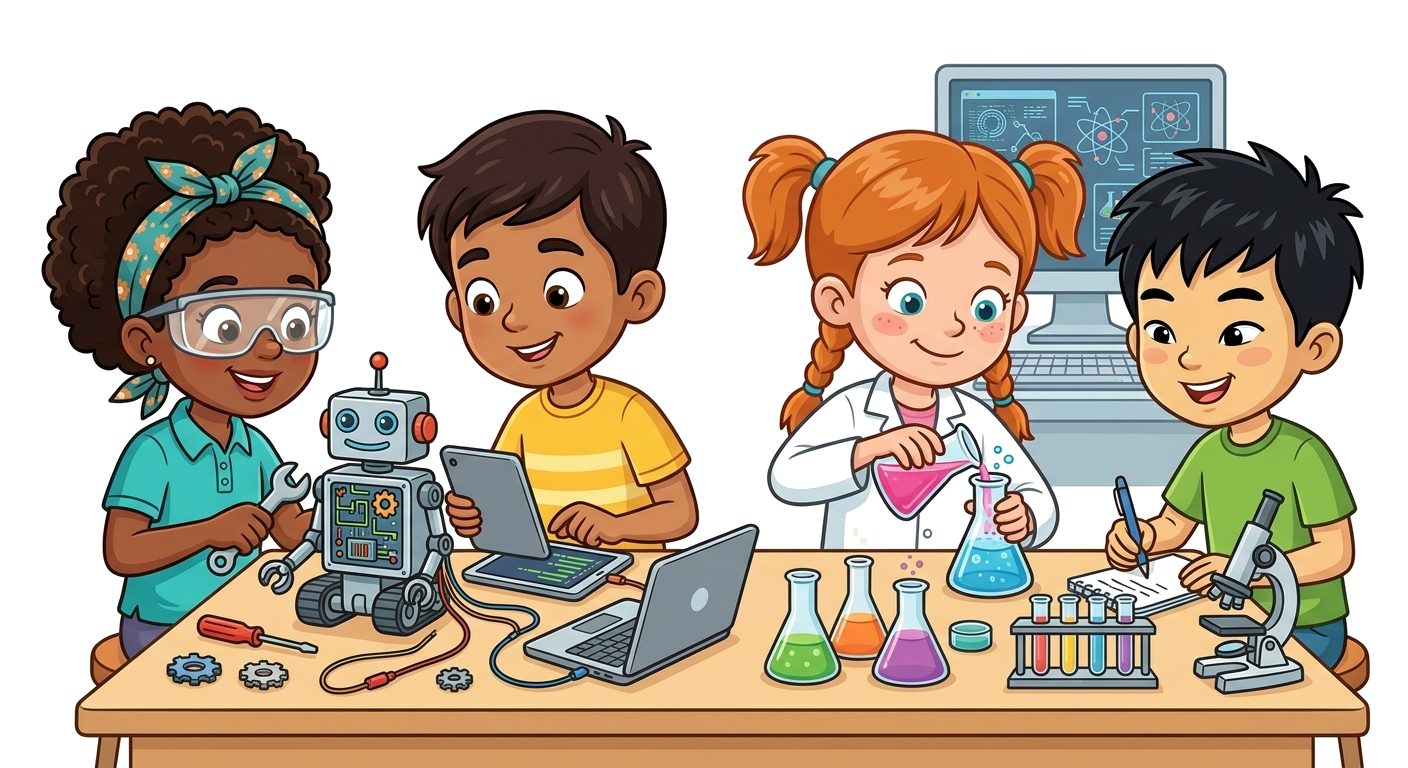
From early childhood through adolescence, young people develop strong ideas about where they belong in the workforce.

Members of our team study the developmental pathways of boys’ and girls’ career aspirations, focusing on traditional disparities in both STEM and HEED fields. By investigating when and why these motivational gaps emerge throughout childhood, our research works to identify how we can nurture diverse talents and keep future possibilities open for every child. Current projects include:

(1) Project 1

(2) Project 2

Bullying, Bystander Behaviour, and Exclusion

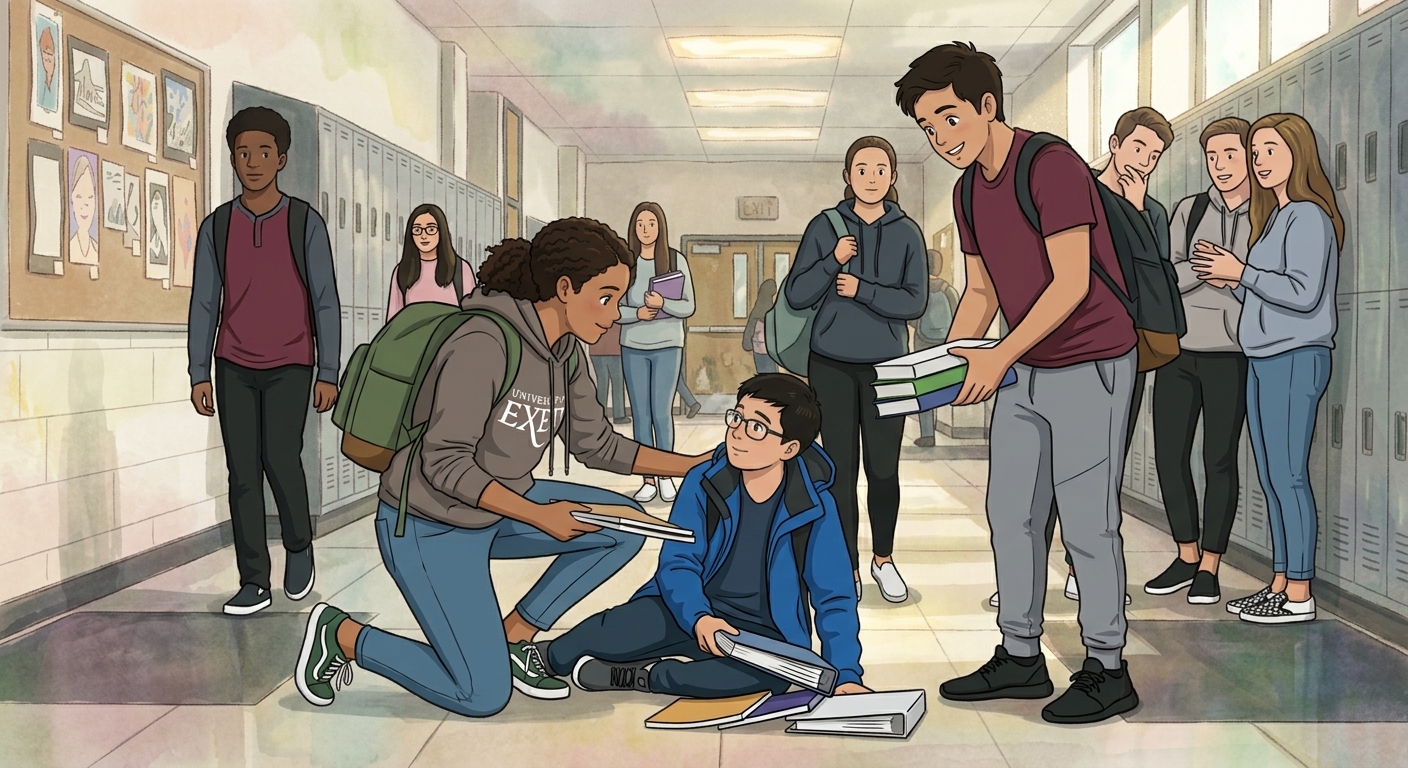
How do children and young people make sense of peer conflict, exclusion, and bullying?

Our research explores the social and moral reasoning behind how youth navigate these complex dynamics, with a focus on bystander intervention. By investigating when and why young people choose to speak up or step in to help peers, we aim to understand and design strategies that encourage positive peer interventions and cultivate inclusive school environments. Current projects include:

(1) Project 1

(2) Project 2

Prosocial Behaviour & Social Mindfulness

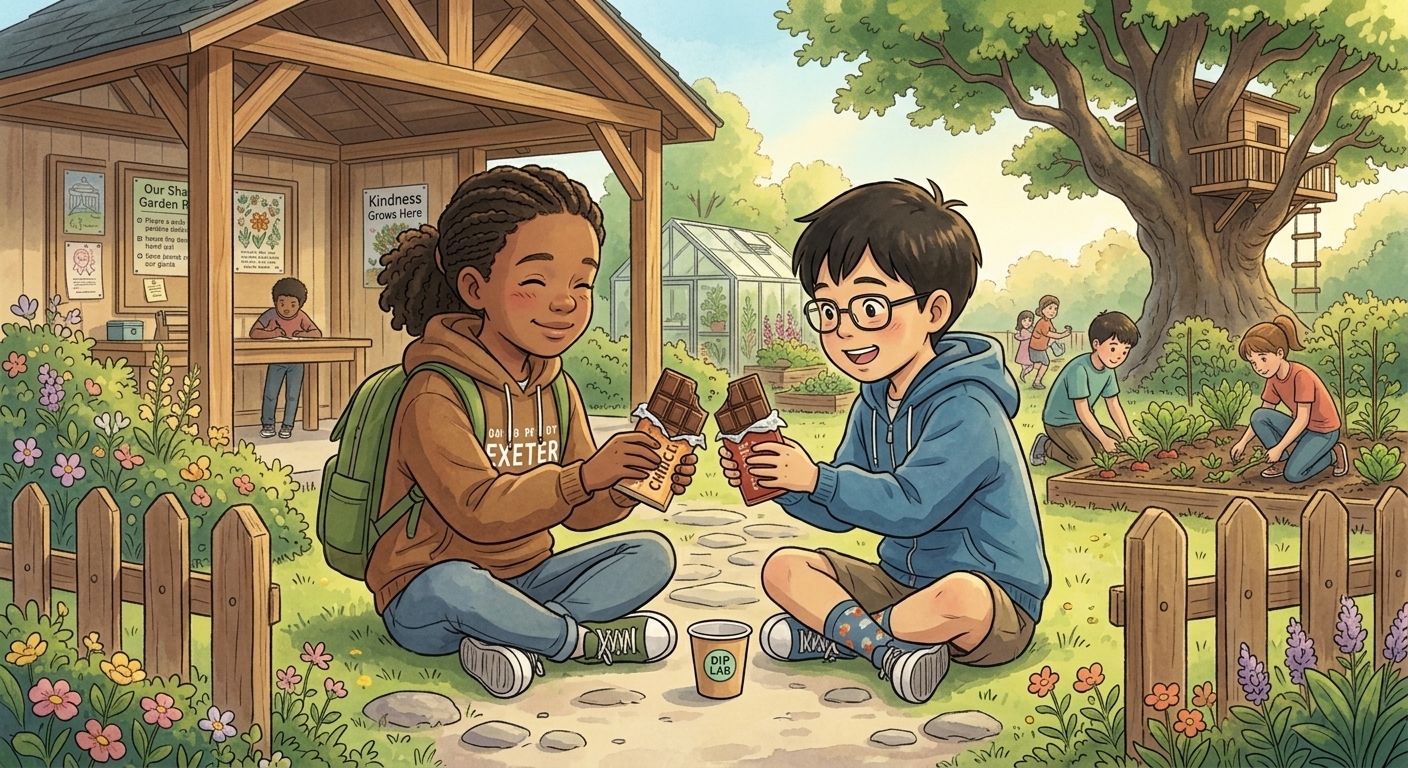
What drives a child to share, help, or think about others before making a choice?

Our team examines how young children learn to understand and practice prosocial behaviour—from knowing when to act kindly to how they evaluate the actions of those around them. By exploring the early development of social mindfulness, we aim to uncover how children learn to consider others’ needs and identify effective ways to foster empathy, kindness, and everyday thoughtfulness. Current projects include:

(1) Project 1

(2) Project 2